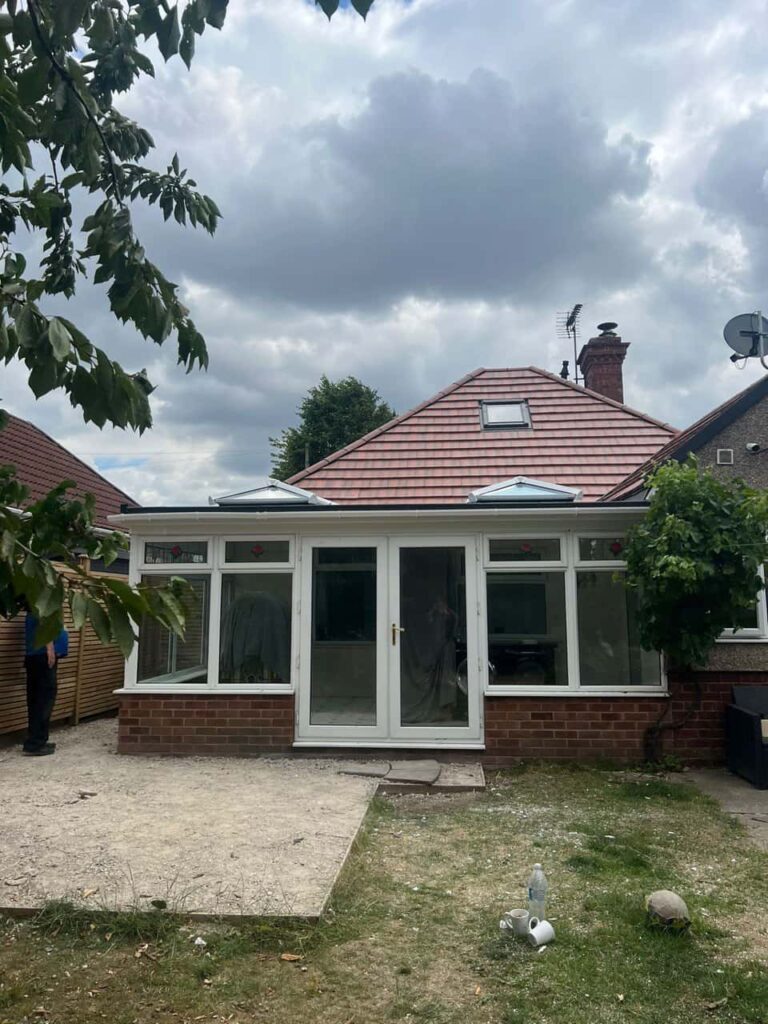
Chimneys are one of the most exposed parts of a roof. Constantly subjected to wind, rain and temperature changes, the mortar joints within a chimney structure gradually weaken over time. When this mortar begins to crack or crumble, it can create direct pathways for water to enter the roof. For homeowners in Eastleigh, Hampshire, damaged chimney mortar is a common but often overlooked cause of roof leaks.
At Eastleigh Roofing Repairs, we regularly identify chimney-related issues as the source of persistent roof problems.
Why chimney mortar deteriorates
Continuous weather exposure
Chimney stacks sit above the main roofline, leaving them fully exposed to the elements. Over time, rainwater penetrates small gaps in ageing mortar. During colder periods, moisture within these joints can expand and contract, accelerating cracking and erosion.
In Eastleigh, repeated exposure to seasonal weather changes can gradually weaken chimney mortar until it loses its protective function.
Natural ageing of materials
Mortar does not last indefinitely. As it ages, it becomes less flexible and more porous. This makes it more vulnerable to water absorption and surface breakdown, particularly along the upper sections of the chimney where exposure is greatest.
How damaged mortar leads to roof leaks
Water penetrating the chimney structure
When mortar joints crack or fall away, rainwater can seep into the brickwork of the chimney. Once inside, moisture may travel down through the structure and emerge inside the loft or along ceilings near the chimney breast.
Because water often travels before becoming visible, leaks caused by chimney mortar can appear some distance from the original point of entry.
Compromised flashing performance
Chimney flashing is designed to seal the junction between the chimney and the roof covering. However, if surrounding mortar is damaged, flashing may loosen or lose its seal. This creates further gaps where water can enter.
Even well-installed flashing relies on solid mortar joints to remain effective.
Increased moisture around roof timbers
Persistent water ingress around a chimney can affect adjacent roof timbers and underlay. Over time, this may weaken structural components and lead to further roofing deterioration.
Early attention to mortar defects helps prevent moisture from spreading into vulnerable areas.
Signs chimney mortar may be causing leaks
- Crumbling or missing mortar between bricks
- Visible cracks along chimney joints
- Damp patches near the chimney breast inside the property
- Loose flashing or gaps at roof junctions
Recognising these signs early allows for timely repairs that protect the roof and chimney structure.
The importance of professional repointing and repairs
Repointing restores the strength and weather resistance of chimney mortar joints. Professional roofing specialists remove deteriorated mortar and replace it with fresh material that forms a secure and durable seal.
At Eastleigh Roofing Repairs, we assess both the chimney structure and surrounding roof areas to ensure repairs address the root cause of any leak, not just the visible symptoms.
Conclusion
Damaged chimney mortar can lead directly to roof leaks by allowing water to penetrate brickwork, weaken flashing and affect surrounding roof components. What begins as minor mortar deterioration can quickly develop into more significant roofing issues if ignored.
If you suspect chimney-related leaks in Eastleigh, Hampshire, Eastleigh Roofing Repairs can provide a thorough inspection and professional repairs. Addressing mortar damage promptly helps protect both your chimney and your roof from long-term deterioration.
Call us on: 023 8235 7294
Click here to find out more about Eastleigh Roofing Repairs
Click here to complete our contact form and see how we can help with your roofing needs.