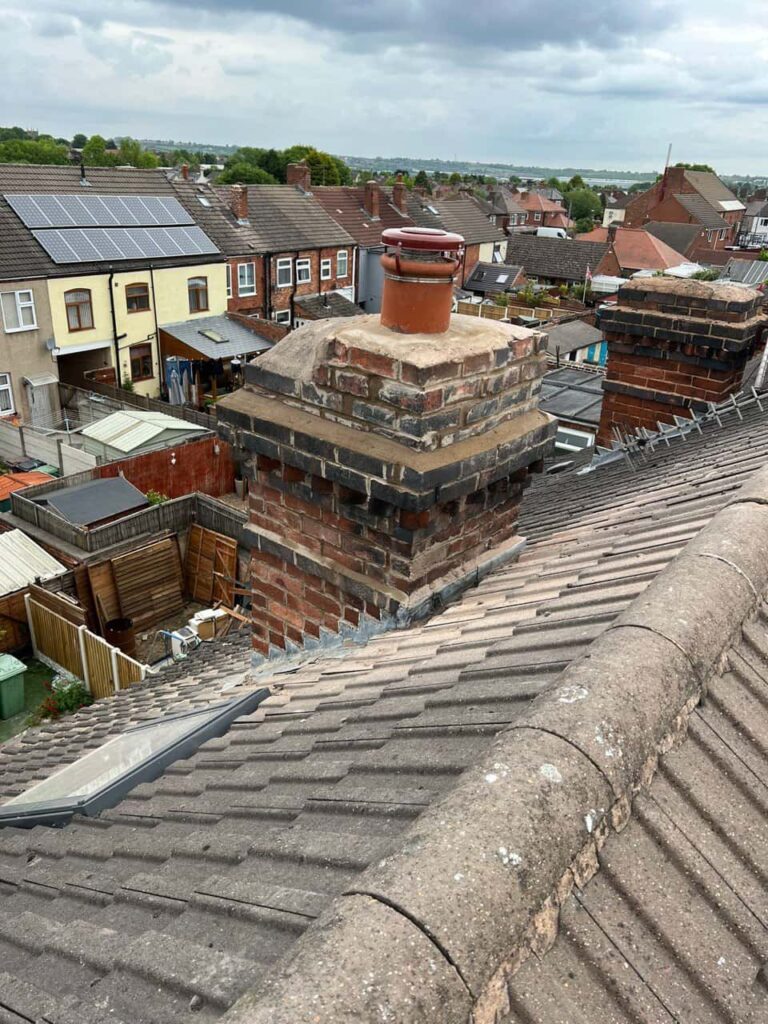
When an older or deteriorating roof begins causing repeated problems, replacement may eventually become a consideration. However, deciding that a roof needs replacing should not be based simply on its age, appearance or the presence of one leak. A professional roof inspection helps establish what is actually happening across the roofing system and whether replacement is genuinely the appropriate next step.
For homeowners in Eastleigh, Hampshire, understanding what roofers assess before recommending replacement can make the process much clearer. At Eastleigh Roofing Repairs, the condition of the roof is considered as a complete system, including visible materials, vulnerable details, previous repairs and accessible underlying components.
Why Inspect the Roof Before Considering Replacement?
Not every roofing problem requires a new roof.
A cracked tile, isolated flashing defect or small area of water ingress can often be repaired effectively when the surrounding roof remains serviceable. Replacing an entire roofing system for a genuinely localised problem would be unnecessary.
The purpose of an inspection is therefore to establish whether deterioration is:
- Confined to one area
- Present across several sections
- Affecting materials beneath the covering
- Connected to previous roofing problems
- Likely to be suitable for targeted repair
- Widespread enough for replacement to deserve consideration
This provides a much stronger basis for deciding what work is appropriate.
The Overall Roof Covering
One of the first areas considered is the condition of the external roof covering.
Depending on the property, this may include tiles, slates or another roofing material. The assessment is not simply looking for one obviously broken piece. It considers whether deterioration is isolated or becoming widespread.
Signs requiring attention can include:
- Cracked or broken materials
- Slipped or displaced tiles
- Missing sections
- Uneven areas
- Surface deterioration
- Repeated damage across different parts of the roof
A few local defects may be repairable. Widespread deterioration can point towards a broader problem.
The Pattern of Previous Repairs
Previous repairs can reveal useful information about how a roof has performed over time.
There is nothing unusual about an established roof having received maintenance. Individual tiles, flashing details and other components may occasionally require attention throughout the roof’s serviceable life.
However, an inspection may identify numerous repair areas across different sections.
If these repairs remain sound but additional defects are continually developing around them, this can indicate that the remaining original roofing materials are becoming increasingly unreliable.
The pattern matters more than the simple presence of previous work.
Ridge and Hip Areas
Ridges and hips form important parts of many roofing systems and are particularly exposed to changing weather.
During an assessment, their general condition may be examined for signs of:
- Movement
- Deteriorated materials
- Loose components
- Previous repair work
- Defects affecting weather resistance
Where problems are localised, repairs may be possible. Where deterioration forms part of a wider pattern across the roof, it contributes to the overall assessment of whether replacement should be considered.
Flashing and Roof Junctions
Some of the most vulnerable parts of a roof occur where different surfaces or building features meet.
Flashing and other weatherproofing details help prevent water from entering around these junctions. Even a relatively small defect can sometimes create noticeable internal water ingress.
An inspection may therefore pay particular attention to these areas to establish whether leaks originate from localised detailing rather than widespread roof failure.
This distinction is important because a defective flashing detail may require focused repair rather than complete roof replacement.
Signs of Water Ingress
Internal dampness can provide valuable information, but it needs to be interpreted carefully.
The location of an internal water mark does not necessarily correspond directly with the external defect. Once moisture gets beneath the roof covering, it can travel along underlay, battens or structural components before becoming visible.
An assessment therefore considers:
- Where dampness has appeared
- Whether staining appears recent or historic
- Which external areas could be allowing water through
- Whether surrounding roofing materials have been affected
- Whether there are signs of repeated water ingress
Finding the actual entry point is essential before deciding on the scale of roofing work required.
Roofing Underlay
The materials beneath tiles or slates are an important part of the roofing system.
Underlay provides secondary protection and can help manage moisture that reaches beneath the primary covering. Over time, however, it can deteriorate, tear or become damaged.
Where accessible, its condition can provide important information about the overall roof.
Localised underlay damage may sometimes be addressed through targeted work. More widespread deterioration can make broader roof renewal increasingly appropriate, particularly when combined with problems elsewhere.
Battens and Supporting Components
Roofing materials depend on an appropriate supporting structure.
Persistent water ingress can affect battens and other timber components beneath the visible covering. These areas cannot always be fully assessed until roofing materials are removed, but accessible sections and visible evidence can provide useful indications.
Where replacement does proceed, removing the existing covering creates an opportunity for underlying areas to be examined more thoroughly before the new roofing system is installed.
Is the Roofline Consistent?
The general shape and alignment of a roof can also provide useful information.
Noticeable changes, irregularities or areas that appear different from surrounding sections may require further investigation. The objective is to establish whether the issue is limited to the external covering or relates to something beneath it.
A professional assessment considers the roof as a complete construction rather than looking only at individual tiles.
How Widespread Is the Deterioration?
This is one of the most important questions when deciding between repair and replacement.
Imagine two roofs that both have several damaged tiles.
On the first roof, the damage is confined to one small area and everything surrounding it remains sound. A local repair may be entirely appropriate.
On the second, damaged materials are spread across several slopes, previous repairs are numerous and additional components are deteriorating. Replacement may deserve much stronger consideration.
The number of visible defects alone does not determine the answer. Their distribution and relationship to the overall roof condition are equally important.
Are Problems Becoming More Frequent?
A roof’s recent maintenance history can reveal how dependable it remains.
An occasional repair separated by many years may simply represent normal maintenance. A roof developing new problems at increasingly short intervals presents a different picture.
An inspection should therefore consider whether homeowners have experienced:
- Repeated leaks
- Frequent slipped tiles
- Several recent repairs
- Different defects following periods of difficult weather
- Problems occurring in previously unaffected sections
Increasing frequency can suggest that the roofing system is experiencing broader deterioration.
Are Existing Repairs Still Performing Properly?
Inspecting a roof before replacement is not simply about finding faults.
Existing repairs should also be considered.
If previous work remains secure and the surrounding materials are sound, this supports the possibility that further targeted repairs may still be appropriate.
If numerous repairs are surrounded by deteriorating original materials, the situation may indicate that the roof is gradually becoming a patchwork of individually renewed sections within an ageing overall system.
Can Sound Materials Still Be Retained?
A good roof assessment should identify what remains serviceable as well as what has failed.
Replacement should not be assumed simply because a roof is older or has developed one problem. If the majority of the roofing system remains sound, preserving existing materials through appropriate repair can be a practical approach.
The decision changes when deterioration becomes sufficiently widespread that retaining individual sound sections no longer addresses the condition of the complete roof effectively.
What Happens If Replacement Is Appropriate?
If inspection indicates that roof replacement is the suitable next step, the work provides an opportunity to renew the roofing system comprehensively.
Once the existing covering is removed, accessible underlying areas can be examined in greater detail. Any necessary preparation can then take place before new roofing materials are installed.
Attention can be given to elements including:
- Underlay
- Battens
- Roof coverings
- Flashing
- Ridge and hip details
- Roof junctions
- Other weatherproofing details
The aim is to create a consistent roofing system rather than simply covering existing deterioration.
Why Diagnosis Is More Important Than Appearance
A roof can look old without requiring immediate replacement, while another may appear reasonable from ground level despite having significant concealed problems.
Appearance alone therefore provides only part of the information.
Professional roof assessment combines visible condition with the pattern of defects, evidence of water ingress, previous maintenance and the condition of accessible underlying components.
This provides a much clearer picture of how reliably the roof is actually performing.
Roof Inspections in Eastleigh, Hampshire
At Eastleigh Roofing Repairs, we provide professional roofing services throughout Eastleigh, Hampshire. When a roof is being considered for replacement, our approach is to assess its wider condition rather than assume that renewal is automatically necessary.
Where deterioration remains localised, appropriate repairs may allow sound sections of the roof to continue performing effectively. Where problems have become widespread, a more comprehensive approach can address the roofing system as a whole.
This assessment helps ensure that the work recommended reflects what the roof genuinely requires.
Conclusion
A roof inspection before replacement is designed to establish much more than whether the tiles look old. It considers the condition and distribution of the roof covering, flashing, ridges, junctions, previous repairs, evidence of water ingress and accessible underlying components.
Most importantly, the inspection determines whether problems are genuinely localised or whether deterioration has become widespread enough for replacement to be the more practical approach.
If your roof in Eastleigh, Hampshire is developing recurring problems or you are unsure whether repairs remain suitable, contact Eastleigh Roofing Repairs. A professional assessment can establish the true condition of the roofing system and determine whether targeted repairs or roof replacement is the appropriate next step.
Call us on: 023 8235 7294
Click here to find out more about Eastleigh Roofing Repairs
Click here to complete our contact form and see how we can help with your roofing needs.