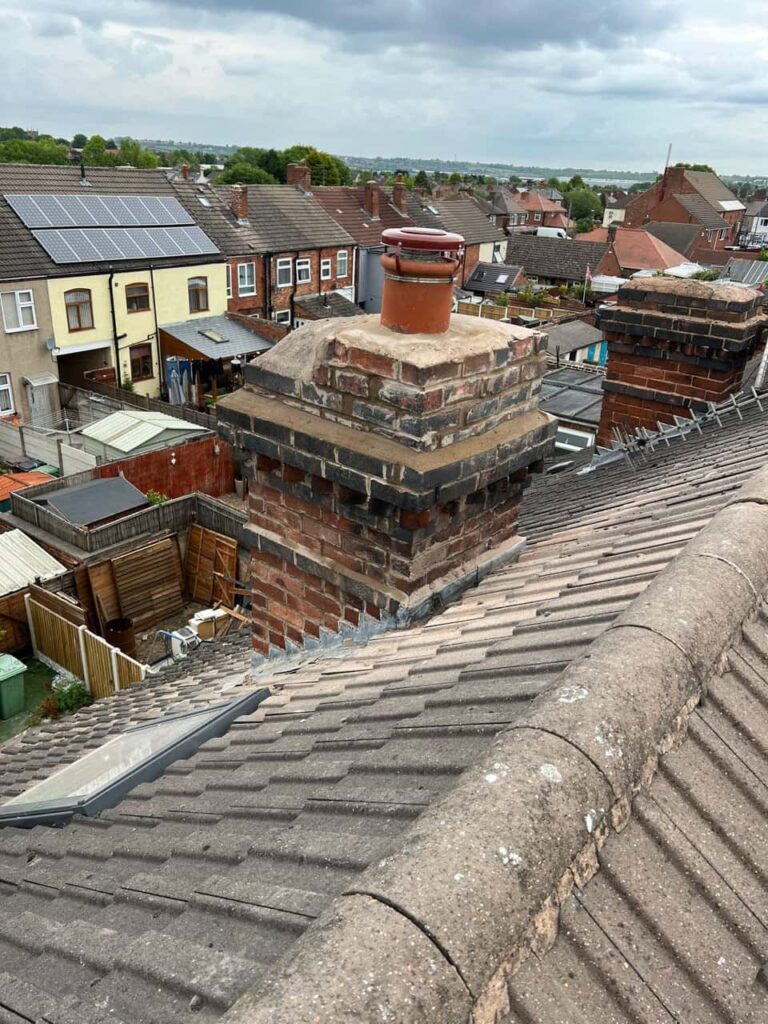
A roof does not need to be visibly failing for strong winds to expose weaknesses. As roofing systems age, gradual deterioration can affect tiles, fixings, mortar, underlay and other components that work together to keep the property protected.
For homeowners in Eastleigh, Hampshire, understanding these vulnerabilities can help identify when an older roof should be professionally assessed. Prompt attention may allow isolated defects to be repaired before wind lifts materials or creates openings through which rain can enter.
How Age Can Reduce a Roof’s Resistance to Strong Winds
A well-installed roof is designed to withstand normal weather exposure, but its components do not remain unchanged indefinitely. Repeated wetting, drying, temperature changes and wind loading can gradually weaken materials and connections.
The roof may continue to appear serviceable from ground level even though its resistance to wind has reduced. Once one component becomes loose, air can get beneath it and place additional pressure on the surrounding area.
Tile and Slate Fixings Can Deteriorate
Roof tiles and slates rely on nails, clips or other fixings to remain secure. Over time, these fixings may corrode, loosen or lose their grip within ageing battens.
A tile can therefore become vulnerable even when it is not cracked. During strong winds, pressure above the roof and uplift beneath the tile may cause it to move, slip or detach completely. Nearby materials can then become exposed to the same forces.
Roofing Materials May Become Brittle
Tiles and slates endure years of changing weather conditions. Some eventually become more brittle and less able to tolerate movement or impact.
Wind can cause vulnerable materials to vibrate or knock against neighbouring tiles. Branches and other windblown debris may also create damage that a newer, sound covering would be better able to resist. Small fractures can then develop into cracks or missing sections.
Mortar Can Lose Its Strength
Traditional mortar is often found around ridge tiles, hip tiles and roof edges. These are already exposed parts of the roof because wind passes over and around them with considerable force.
Ageing mortar may crack, crumble or pull away from the materials it is meant to secure. A ridge or hip tile might appear correctly positioned but no longer be firmly bedded. Loose mortar fragments around the property can be an early indication that these areas require inspection.
Roof Edges Are Particularly Exposed
Verges, eaves and corners experience significant wind pressure. If the tiles, undercloak, mortar or fixings in these locations have deteriorated, wind can enter beneath the covering more easily.
Once an edge tile lifts, the surrounding roof may become more vulnerable. This is why damage that begins in a relatively small area can spread across several tiles during severe weather.
The Underlay May No Longer Provide Reliable Protection
Beneath the visible roof covering is an underlay that provides an additional barrier against moisture. Older underlay can become brittle, torn or weakened around fixing points.
This matters because displaced tiles do not always result in immediate indoor dripping. Water may first reach the underlay and travel along it before finding an opening. If that secondary layer has deteriorated, moisture can reach battens, roof timbers and ceilings more readily.
Previous Repairs May Create Uneven Weaknesses
Older roofs often contain repairs completed at different times. Individual tiles may have been replaced, while neighbouring fixings, mortar or underlay remain aged.
A previous repair is not necessarily a weakness when completed correctly. However, repeated patching can make the condition of the roof less consistent. Strong winds may exploit the transition between sound repaired sections and older surrounding materials.
Subtle Movement Can Indicate a Wider Problem
Wind damage is not always immediately obvious. Warning signs can include:
- tiles that appear uneven or slightly raised
- slipped slates or widening gaps
- fragments of tile or mortar on the ground
- movement or rattling during windy conditions
- damp marks appearing after wind-driven rain
- daylight visible within the roof space
These symptoms do not automatically mean the entire roof requires replacement. They do indicate that the covering and supporting components should be assessed together rather than treating only the most visible defect.
Why a Professional Roof Inspection Matters
A reliable inspection looks beyond missing tiles. It considers the condition of fixings, battens, underlay, ridges, hips, verges, flashing and previous repairs.
This broader approach helps determine whether the wind has caused an isolated problem or exposed general deterioration within the roofing system. It also allows the repair to address the underlying weakness instead of simply replacing a displaced component.
Conclusion
Older roofing systems can become more vulnerable to wind damage as fixings loosen, materials become brittle, mortar deteriorates and underlay loses its effectiveness. Exposed roof edges and inconsistent older repairs may further reduce the roof’s ability to resist uplift and wind-driven rain.
If you have noticed loose materials, movement or damp following windy weather in Eastleigh, Hampshire, Eastleigh Roofing Repairs can assess the condition of your roof and recommend an appropriate repair. Contact the team to arrange a professional inspection before a manageable weakness develops into more extensive damage.
Call us on: 023 8235 7294
Click here to find out more about Eastleigh Roofing Repairs
Click here to complete our contact form and see how we can help with your roofing needs.